How Gaming Communities and Avatar Customization Are Reshaping Fashion
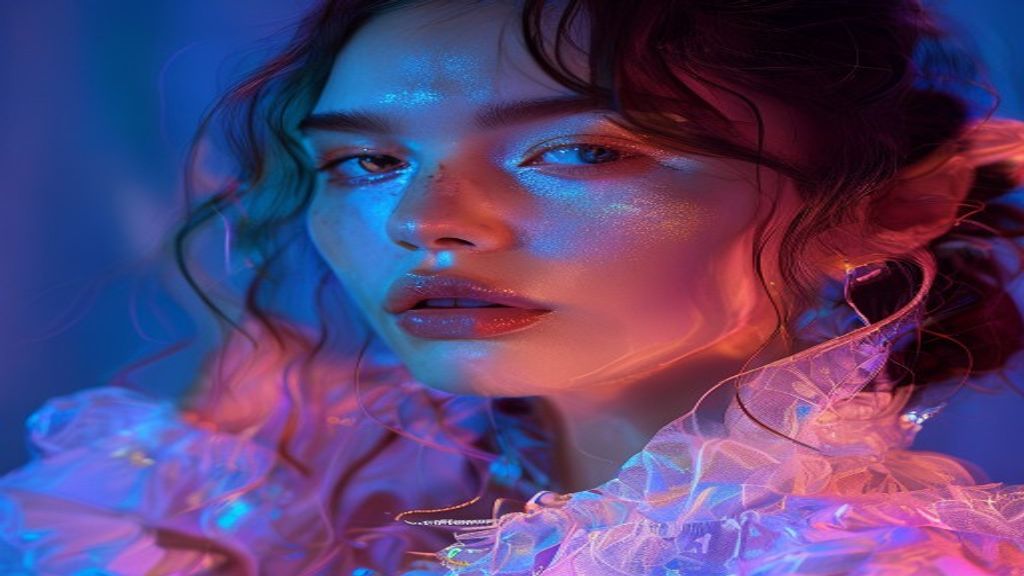
The digital realm has long been a playground for creativity, self-expression, and community building. In recent years, gaming communities have emerged as a significant force in the fashion industry, particularly through avatar customization and virtual item economies. These elements are not only transforming how we perceive ourselves online but also influencing real-world fashion trends.
Avatar customization is one of the most direct ways that gamers express their individuality within digital spaces. From customizable avatars in massively multiplayer online games (MMOs) to highly detailed character creation tools in single-player experiences, players have an unprecedented level of control over their virtual appearance. This has led to a vibrant culture where fashion choices are not just about personal style but also serve as a form of social currency within gaming communities. Players often spend hours perfecting their avatars’ looks, combining aesthetics with practical gameplay advantages such as stealth or intimidation.
The economic implications of avatar customization are equally profound. In-game marketplaces and virtual economies have flourished around the trade and collection of cosmetic items like skins, emotes, and other decorative elements. These digital goods often carry real-world monetary value and can be purchased using fiat currency through official channels or traded among players on secondary markets. This has given rise to a new form of digital commerce where fashion is not just worn but also bought and sold as an investment.
Moreover, gaming communities have begun to blur the lines between virtual and physical worlds in ways that challenge traditional notions of fashion. For instance, many games feature weekly or seasonal fashion drops inspired by real-world trends, allowing players to stay updated with the latest styles while engaging with their favorite characters. This bidirectional influence means that what starts as a digital trend can quickly become part of mainstream fashion dialogues and vice versa.
The intersection between gaming and fashion is also evident in the growing number of collaborations between game developers and established brands. These partnerships often result in limited-edition virtual items or even physical products inspired by iconic video game characters. For example, luxury brands have begun to explore Web3 extensions such as AR try-on experiences and exclusive digital drops for their high-end collections. This convergence is indicative of a broader trend where traditional fashion houses are looking to tap into the younger, tech-savvy demographic that frequents gaming platforms.
In addition to these economic and social impacts, avatar customization in games has also sparked important conversations around identity and self-expression. The ability to experiment with different looks without physical constraints allows players to explore their sense of self in a safe environment. This can be particularly empowering for marginalized groups who may face barriers to expressing themselves freely in the real world.
As gaming continues to grow as a cultural force, its influence on fashion is likely to deepen and diversify. The next generation of gamers is already accustomed to fluid identities and seamless integration between virtual and physical worlds. This bodes well for a future where digital fashion plays an increasingly prominent role in shaping our understanding of style, community, and identity.
Would you like to stay updated on how gaming continues to shape the future of fashion? Subscribe to Weightless Wardrobe’s newsletter to receive exclusive insights and trends from the intersection of tech and style.
Letters from readers.
Comments are welcomed and read by the team. Spam is discarded; everything else gets a thoughtful reply.