The Intersection of Gaming and Fashion: How Avatar Customization is Reshaping the Industry
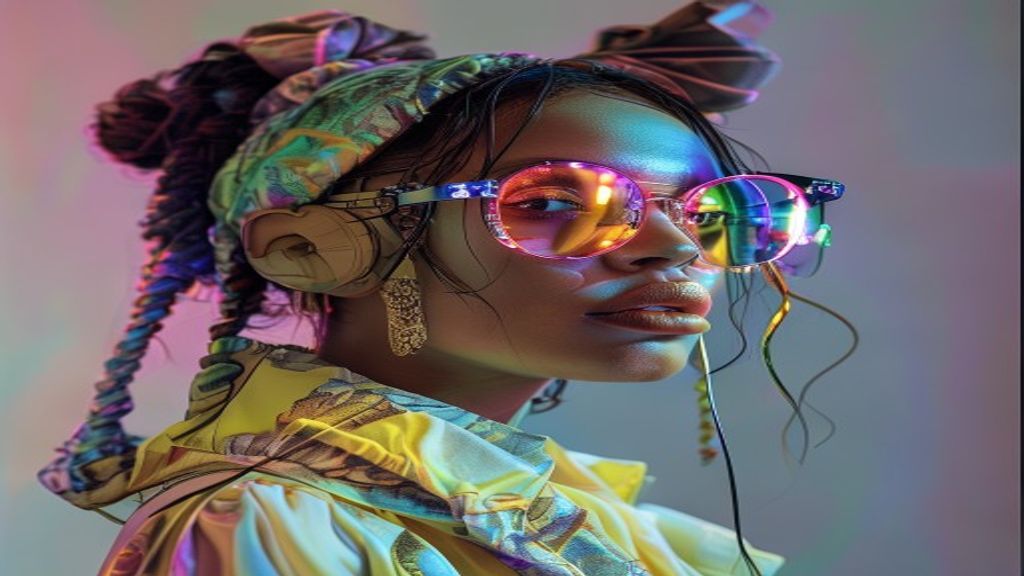
In recent years, gaming communities have emerged as powerful incubators for fashion trends, particularly through avatar customization features within games. These digital playgrounds allow players to express themselves in ways that mirror or even surpass traditional fashion outlets. From skin economies to in-game fashion drops, gaming has become a fertile ground where creativity and style converge.
One of the most notable aspects of this trend is the rise of virtual clothing markets within popular titles. Players can purchase and trade skins for their avatars, creating vibrant secondary markets that mirror real-world luxury goods exchanges. These digital garments often come with exclusive releases, limited editions, and even designer collaborations, mirroring high fashion's strategies to generate buzz and exclusivity. This not only creates a sense of community around shared interests but also fosters a deep appreciation for craftsmanship and design.
Moreover, in-game fashion drops have become a significant event for both gamers and fashion enthusiasts alike. Developers often collaborate with well-known designers or launch their own exclusive collections, pushing the boundaries of what virtual clothing can achieve. These drops are not just about aesthetics; they represent a form of cultural expression that transcends the digital realm. Gamers who participate in these events feel connected to something larger than themselves—part of a global community united by shared interests and values.
The influence of gaming on fashion extends beyond mere visual representation. It also encompasses the concept of self-expression through customization options. Players can experiment with different looks, styles, and even identities without the constraints of physical reality. This freedom has inspired real-world fashion brands to incorporate more interactive elements in their designs, such as augmented reality try-ons and virtual fitting rooms. These advancements blur the line between digital and physical fashion, offering consumers a seamless experience that bridges both worlds.
Additionally, gaming communities have given rise to new forms of social currency and status symbols within these virtual spaces. Players who curate unique or rare outfits for their avatars gain recognition and admiration from others. This dynamic mirrors real-world fashion trends where owning certain pieces can elevate one's perceived status among peers. As a result, there is increasing overlap between the gaming community's approach to style and traditional fashion circles' preoccupation with exclusivity and collectibility.
The intersection of gaming and fashion also highlights the growing importance of sustainability in digital spaces. Virtual garments offer an environmentally friendly alternative to physical clothing production by reducing waste and resource consumption. Many gamers are drawn to this aspect, appreciating that their love for fashion can coexist with a commitment to preserving the planet. This mindset aligns closely with broader movements within the fashion industry toward more sustainable practices.
As gaming continues to evolve as a cultural force, its impact on fashion is likely to grow even stronger. The creative potential of avatar customization and in-game fashion drops will continue to inspire both digital natives and traditional fashion enthusiasts alike. By embracing this convergence, we can look forward to an exciting future where the boundaries between virtual and real-world fashion blur further, offering endless possibilities for self-expression and creativity.
Interested in more insights on how technology is shaping our world? Subscribe to The Weightless Wardrobe newsletter for exclusive content delivered straight to your inbox.
Letters from readers.
Comments are welcomed and read by the team. Spam is discarded; everything else gets a thoughtful reply.